Copyright

All original content © 2011-2014. Photos and Text, unless otherwise stated, are by the author of Pork Bier Belly. If you want to use images or writing, please ask for permission prior to using.

Monday, July 8

Budapest, Hungary

I’ve long waited to write this post. I contemplated skipping it all together but that didn’t seem fair. I didn’t want to write it because the night before we left, I was sick. Stomach bug or ill and I had to go to the bathroom every couple hours. We chose to rent a car for this journey, a 7 hour car ride. Imagine the horror on my face that morning when I didn’t know if I could sit for more than 2 hours at a time without using the bathroom. Instead of 7 hours, it was closer to 8.5 hours with multiple breaks.

So here it is, one of the first trips we took after moving to Germany.
Budapest is divided by the Danube. Budapest is two cities: Buda and Pest. Buda is quieter and residential while Pest is the busy, party area of the town. We are no party animals but we stayed in Pest and found it very convenient. There are bars on the river boardwalk that were crowded in the evenings, sadly we didn’t make it out to hang with the cool kids.

The most impressive sight is the parliament. They offer tours in Hungarian and English but be prepared to wait in long lines. We arrived early for the 10am tour, not early enough, because that tour was booked; the security told us to keep waiting. An hour later we were. The waiting que and admittance is haphazard, some individuals were allowed to enter for unknown reasons and some were sent to the back of the line. (Obviously, people in group tours with prepaid tickets were admitted first.) The building is something of a monstrosity from inside and out. Since it is the 3rd largest parliament building in Europe, the tour covers only 10% of the interiors. The rooms and furniture are preserved with the country’s history in mind. The tour was 30- 45 minutes and worth the price.
I highly recommend a boat cruise on the Danube; seeing many of the city’s sights from the water is breathtaking. The hike up to Castle Hill in Buda is rewarding with spectacular views of the parliament and city of Pest. Same can be said for the steps to the top of St. Peter’s basilica.

Budapest is like a forgotten stepchild of the European uncle. A city once suppressed and the voices of its people silenced, Budapest is suspended in pre-iron curtain days and trying to recover. It is part of the European Union but the needs time to repair. It has more graffiti than we had ever seen in public space. (That opinion is altered because we’ve visited other European cities.)

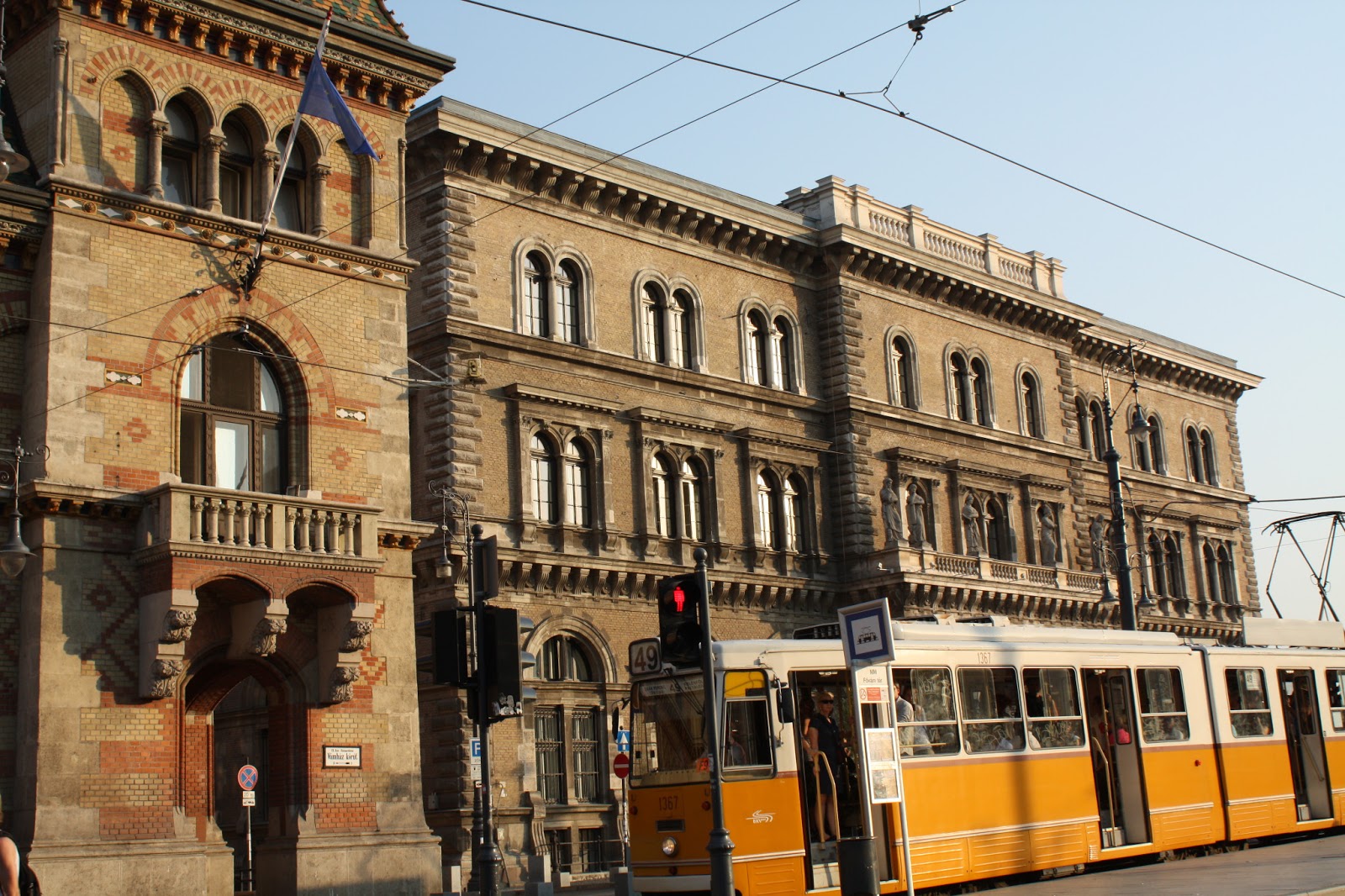
Although we drove we used public transportation around the city. Some street trams were dated while few were modernized. The wires on the older tram lines had electric sparks, a sign of much needed upgrade. When we tried to buy tickets for the tram, the dated machine took our money and didn’t print a ticket. There are certainly signs of the city’s resiliency and of people ready to embrace the modern times.

Speaking of people, they are some of the nicest people we encountered. For instance, when we asked for clarification on various Hungarian paprika sold in the Central Market, the vendors were eager to answer our queries. One morning we ate Langos for breakfast at the Market and the locals eating at the same stall were generous and friendly. The vendor explained in her broken English what toppings are preferred by Hungarians. Langos is deep fried bread dough topped with sour cream and cheese. It is the perfect for breakfast, lunch, dinner or snack! Having traveled in Europe, we’ve experienced snooty Western European cities (and people) while Budapest (and Prague) offered memorable hospitality and customer service.

At the market, we bought 1/2 kilo each of Hungarian sweet paprika and smoked paprika. They made great gifts. And on shopping, everything was much cheaper comparatively to Germany. I don’t know the reason, but we were delighted with the low prices on food, shopping and hotels.

However I was disappointed in a restaurant recommendation from a taxi driver. The restaurant was upscale and geared to the high spending tourists especially because the food was average. There we tried Goulash. I was equipped with a list of places the locals frequent but it didn’t work in our favor to try any of them.

I am glad that we went to Budapest; it is a true eastern European city. If we had more time here, I would go back to try the amazing food it has to offer. And hopefully the 2nd time around, I won’t be sick.

Tuesday, July 2

Salzburg, Austria

The last few months have been a little bit insane, a little bit overwhelming and a whole lot of fun. We had a long line of guests from March until June. In addition to hosting and entertaining, we also traveled with the guests. There are so many wonderful trips I plan to write about.

After my parents in law left in June, we visited Salzburg Austria. It was a city high on our list because of its closeness and charm.

We used a Bayern ticket to get to Salzburg; the city is one stop after crossing the (German) border. That is normally how it is supposed to be. The Friday we visited, it was a different story. Few stops before the border, the train conductor announced everyone depart the train at the next stop. Puzzled, we asked another passenger for clarification and she confirmed our suspicions. At the station, we, along with all the other passengers, boarded busses. For the next 40 minutes, we traveled through small towns and villages on the German back roads. With clouds moving through the sky and the sun setting, it was a scenic drive, even in a packed bus. Arriving in Freilassing, we were herded off the bus and told to wait for a train. After 25 minutes of waiting, everyone boarded the train to Salzburg. And 7 minutes later, we arrived at our station, Salzburg Hauptbahnhof. Why such a hassle for a trip that normally takes 4- 5 hours on a train? Our trip was after the rainostrophe of Europe which caused the floodcalypse. Parts of Eastern Europe and some Southeastern German towns were flooded and the rail tracks were under water.

Saturday was packed with sightseeing and a tour. We visited some key sights on our own in the morning. At noon, we joined a English city tour. The best part was we were the only visitors in the group so we had a private tour. The guide was born and brought up in Salzburg so we couldn’t have had a more knowledgeable guide. He was smug about being an Austrian but it was entertaining. For instance we asked him why many women were dressed in their dirndls and the men in their lederhosen, inquiring if there was a festival we should know about? And his answer was simple, “because the weather is nice people are dressed up in their traditional clothes”. Puzzled, we said, we live in Nürnberg and have yet to see people dressed up on beautiful summer days. His response, we’re not in Germany, we are in Austria.” Well that cleared up that. We walked by the oldest restaurant in Europe. He didn’t seem thrilled about the place so we didn’t bother trying the food. We learned about Mozart’s history and impact on Salzburg. The guide recommended Mozart’s home but we chose not to, because there were a long line of tourists. Japanese tourists, apparently Japanese tourists are big Mozart, Wagner and other European composers’ fans. Another fact was Mozart was his sister. She was a remarkable musician, but overshadowed by her brother’s accomplishments. She has a memorial in Salzburg.

On Sunday we did the Sound of Music tour on bicycles. It was neat to see the sights that were part of the movie and hear the history. We both learned that Sound of Music was loosely based on a true story of Maria von Trapp and the family. Remarkably the family toured as musical acts before they were known as the Von Trapp family from Sound of Music. Sadly, Maria accepted a contract with the Hollywood producer that compensated very little in royalties for selling her story. Hollywood selling out families for entertainment, of course. Our bicycle tour guide was okay but we both enjoyed the 4 hour ride. There is one steep hill to climb but otherwise the ride is comfortable and moderately-paced.

My favorite visit was to the Fortress, better known as Festung Hohensalzburg. To reach the fortress, you can hike up or take the funicular for 9.80 euros. The ticket includes admission to the museum and audio guide inside the fortress. The history is impressive; construction was first started in 11th century and has been expanded and restored since. The views of the city and the mountains surrounding are breathtaking. The guide at the fortress was an Ohioan temporarily living in Salzburg. He was so excited to meet us, he took a photo with us to show his Austrian friends that we Ohioans do exist.

The meals were acceptable. Saturday’s lunch was at a spot recommended by the guide and it was German food. Dinner was at Augustiner Bräu with a liter of beer and half chicken and some sausages. It is local brew (not connected to the Munich Augustiner) in a spacious beer garden. We wanted to try a highly raved restaurant on Sunday but it was closed. It was German fare in Austria. I was hoping to try something new but didn’t see something non-German.

The return trip was also tricky because of the flooding. We departed Salzburg hauptbahnhof and arrived at Landschut, Germany for a train transfer. Instead of taking another German train, we took a Czech train towards Prague. I must say how superbly nice the train personnel were on the Czech train. Before boarding the train, we asked if we could board with German Bayer ticket and the woman approved. She explained due to the floods they weren’t checking tickets and allowing exceptions. Once on the train, she reseated us to train cars that were heading in the direction we needed to go. Had she not done this, we probably would’ve ended up elsewhere. We enjoyed few, very inexpensive Czech, beers in the dining car until our next and final transfer station, Schwandorf. From there we took a German train home. Although confusing and very uninteresting, it was nice to arrive at a reasonable hour.

Wednesday, April 17

Hazelnut Squares

Time’s been flying by here. Probably around where you are too. I can’t believe it’s already mid April! I welcome it, with the sun and warm temperatures.

In early March, a certain bff came for a brief visit before we traveled to Spain for a grand celebration. And days after returning we hosted family from India. And it’s not over yet. My parents arrive for a visit at the end of this week.

To welcome the guests, I've kept sweet somethings on hand.  I made these for the first guest.  They’re called mocha cuts, but I would call them hazelnut squares with mocha topping.

And I am really excited about finding a food blog in Germany. The author makes amazing food and photographs it, almost daily! I highly recommend browsing through the site and try it without your mouth watering.(There's an English translation option.)


Hazelnut Squares
Yield- 35 pieces

100 grams of butter, room temperature
100 grams of brown sugar
1 egg
1 tablespoon Rum
1/2 teaspoon cinnamon
1/4 teaspoon ground cloves
60 grams hazelnuts ground medium fine
50 grams dark chocolate (68% or darker), grated
125 grams all purpose flour
1/2 teaspoon baking powder

3 tablespoons brewed coffee, cooled
200 grams of powdered sugar

Line a 12 x 9 inch (30 x 24 cm) jelly roll pan with baking paper. Butter the paper to prevent sticking.

Preheat oven to 350°F or 175°C.

Whisk the butter and sugar with a hand mixer. Stir in the egg, then rum. Then stir in spices and nuts. Stir in grated chocolate. In a separate bowl, mix the flour with the baking powder. With a spatula, stir in the flour mixture into the butter & sugar. Do not overmix.

Mold the dough evenly in the pan. Place the oven and bake for 20 minutes.

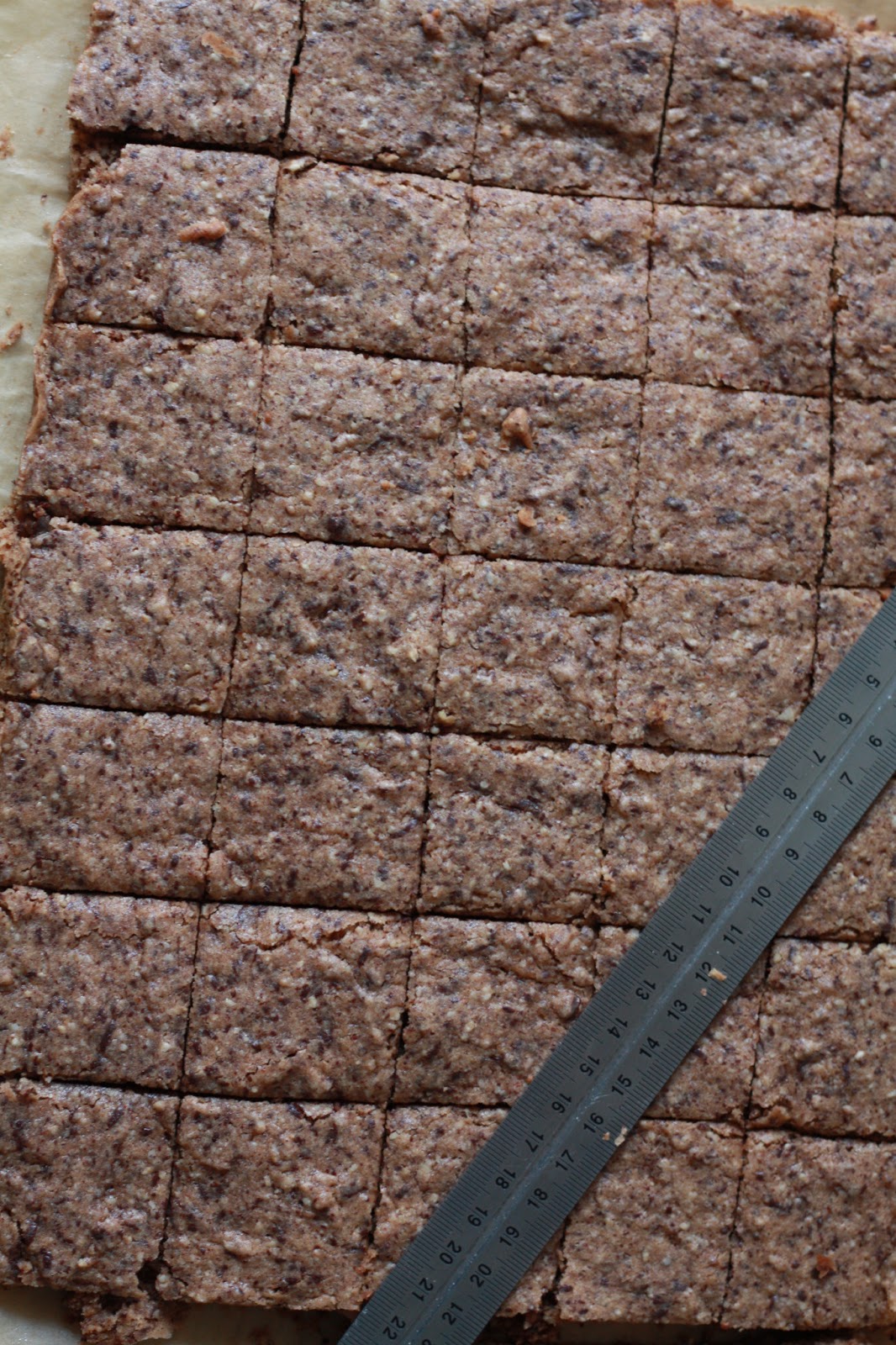
Remove from the oven and immediately cut into 1 1/2 inch or 4cm squares. (Using a rule helps immensely.)

Combine the coffee and powdered sugar in a bowl. Pour the topping over the warm squares, making sure to cover most of the surface area. Top with grated chocolate.

Thursday, March 28

Supporting private businesses for everyone's good

Shopping for food is an experience here, an enjoyable one at that. I especially like that there’s a butcher shop with a variety of meats, a bread bakery/shop with many types of (German) breads and a farmer that sells eggs and poultry.

As you can guess, the butcher shops have a lot of pork products but there are few other things as well. I’ve been going to one in the city. It’s in the ubahn station to which my friend jokingly asked “who doesn’t want to get meat upon exiting the train?" Laugh it up but it’s very convenient. They have all the pork and beef cuts and some poultry. If they don't have something, they will order it for the customer. They have some lamb however it’s pricey so I get that at the Turkish market. For reasons unknown to me, lamb imported from Greece (sold at the Turkish market) is cheaper than lamb at a German butcher shop. I also haven’t figured out all the different types of fresh & dried wursts (sausages) and deli meats. However we have been trying some at random, most have been good. One thing we haven't grown to like is Sülze (headcheese). Not only is it odd looking (meat pressed in a terrine with aspic), it tastes strange.

They have a hot counter with freshly cooked food for the lunch crowd on the go. The food ranges from sausages to wings to stews served with rice or potatoes. At this particular place the butchers know me and it’s pleasant going there.

I recently read an article that many butcher shops are gradually closing. There is a downward shift in the business in Germany. One reason is the demand for trained professionals in these fields is decreasing. The younger generation is buying meats at large boxed supermarkets and therefore don’t need to go to butcher shops. That’s unfortunate because the personalized service is rare. And, it would be a shame to lose highly skilled individuals that are a wealth of information in their line of work. I’d like to think I know my way around a pig, but that's not the case; I prefer to leave that to a German butcher that’s studied years on the subject.

For bread I haven’t found a good source. I often went to one in the main city square. A woman that worked there was really helpful and even spoke some English for explanations. I later learned they’re part of a franchise so now I only go there when in a pinch.

Then I tried another bread bakery, also in the city square; one I had heard good things about from a local. From the inside, it looks like it has been around a long time and has been in the same family for multiple generations.

But both times I’ve left feeling out of place or cheated. First time, they weren’t very helpful. A note on German bread- there are many varieties and unless you’re familiar with the types you have to ask questions. For example, there’s 100% rye bread, another that’s 60% rye with whole wheat flour, one with just whole grains and etc. During the first visit, I bought my bread, exchanged money, took some photos and left. I noticed they were friendlier with locals with fluent German.

At the second visit I asked for a price of the baguette, 1.30, then requested to buy a half loaf. When I bought the half I paid 0.90. Although I was confused I didn’t question it before handing over my money. My own fault. Once I got my change back, I asked why the price of the half wasn’t half of the whole price? They were disgruntled in answering the question. I suspect the woman that quoted me the price for the whole baguette was incorrect. However a clear explanation of the mistake would’ve been much friendlier than, “this is the price!”

I will say when I asked to photograph, they permitted. The older owner even joked he’d charge me 1 Euro for photos. Unfortunately due to other reasons I won’t be returning.

I buy my poultry from a family that comes to the farmer’s market Fridays & Saturdays. They sell eggs, chicken, turkey, duck and other bird creatures. During Christmas, they sell whole Geese. And around Easter they sell boiled, colored eggs.

It's a make shift tent they assemble each Friday & Saturday.

I've been going to them for eggs and poultry(sometimes) since moving here so they know me well. I forgot my wallet today and the mother gave me my eggs for free and asked me to come back later with the money. And I got two Easter eggs! That's friendly! They also sell egg noodles that I am not sure are homemade or bought from another producer.
Note- German vendors (and supermarkets) store their eggs at room temperature. I did not freak out at the sight of this, unlike some I know. Eggs are laid in room temperature environment so it's not insane to leave them on the counter. For longer shelf life however refrigerating is the way to go.

Saturday, March 16

Cauliflower Gratin

As I sit here with my stuff in front of me, ready to depart for a flight to one of my dream countries. I’ve dreamt of Spain for so many years I can’t believe it’s actually happening. You will hear about Spain once we’re back. Now, I want to share a recipe that I’ve loved and enjoyed repeatedly, especially during this cold winter. It’s Cauliflower Gratin. Gratin sounds fancy but it’s just cauliflower baked in a white cheese sauce.

I’ve made this with Broccoli with great success. I bet this would work with partially boiled and cubed potatoes too. Simple recipes like these deserve high praise for ease and rich flavors.

Cauliflower Gratin
Yield- 2 servings

1 tablespoon butter
1 tablespoon all-purpose flour
1/4 cup heavy cream
1 cup milk
Salt & large pinch of freshly ground black pepper
a pinch of freshly grated nutmeg
1/2 cup grated Gruyere or Emmentaler cheese
3/4 lb or 300 grams frozen cauliflower florets (these are often cooked and ready to use)
2 tablespoons fresh bread crumbs

Preheat the oven to 375°F or 190°C.

If using raw cauliflower, bring water to boil in a large pot. When water is bubbling, add cauliflower florets and cook for 4 minutes. Remove the florets from water and drain.

Melt butter in a medium saucepan over low heat. Add the flour, stirring often and cook for 1 minute. Whisk in heavy cream and milk into the butter-flour mixture. Whisk constantly and make sure to get rid of all the lumps. Cook for 3- 4 minutes, stirring occasionally. When the liquid is thickened, turn off the heat. Stir in salt to taste, pepper, nutmeg, and cheese.

Butter 1 quart square or oval baking dish. Pour 1/2 of the sauce on the bottom of the baking dish. Add the florets to the dish and then spread the rest of the sauce evenly on top. Sprinkle the bread crumbs on top, sprinkle with salt and pinch of pepper. Bake for 25 to 30 minutes, until the top is browned. Serve hot.

This is supposed to serve 2 but I’ve cooked this for one many times. No one’s looking, or judging. 


Tuesday, March 12

It's here or I hope at least...

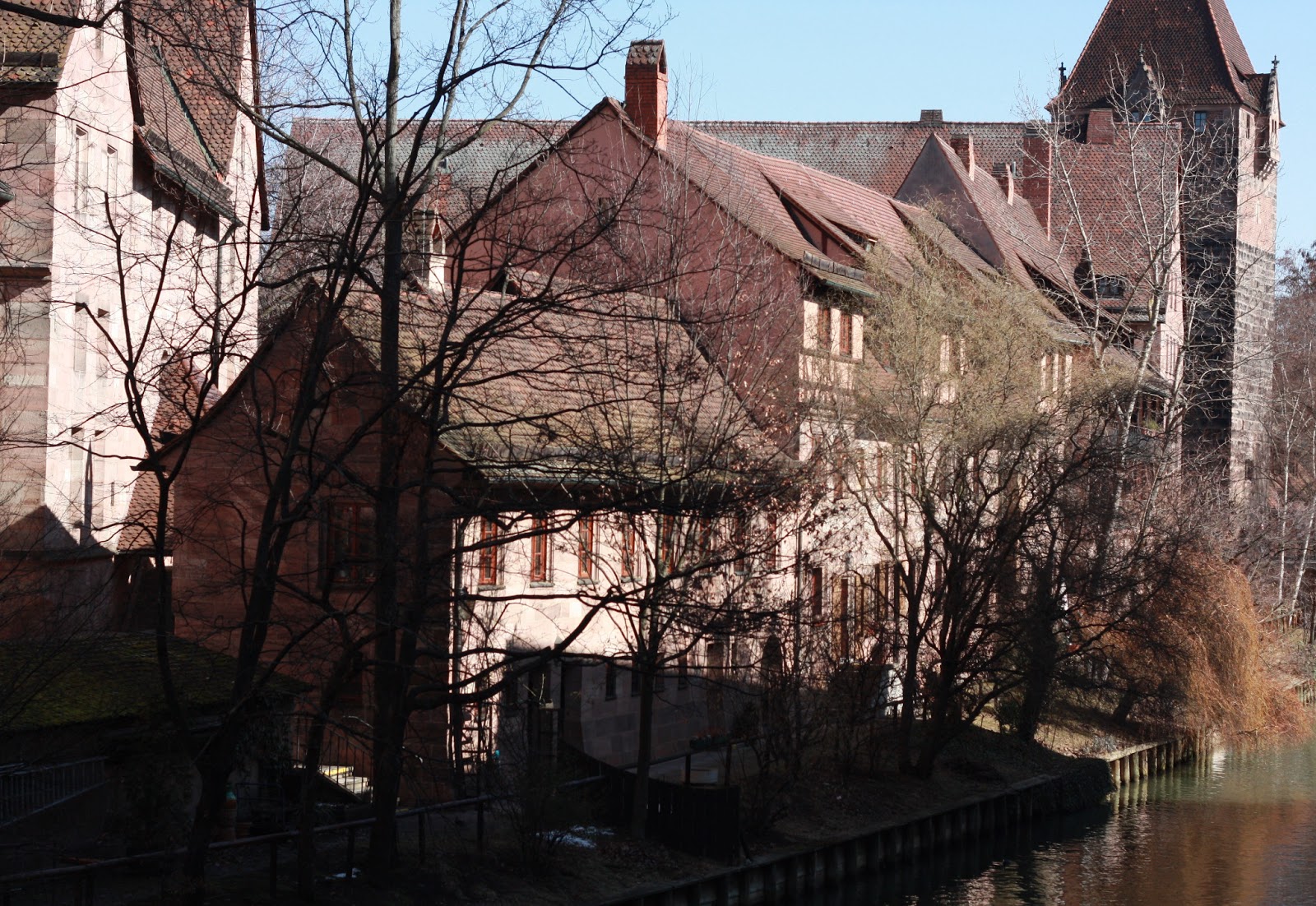
A close friend got a new camera recently.  She suggested a stroll through the city with our cameras.  The day we strolled couldn’t have been a more perfect day.  We are beginning to see 3- 4 hours of sun, shining, and the weather is warming up.  I am happy the weather is turning because there were few days in the middle that I was struggling with staying motivated.  I am grateful for the changing seasons.


Even with bare trees, this was a great trip for photographing. I hope to continue to make these outings.

Thursday, March 7

Irish Soda Breads for Stew

A friend of ours recently had a baby boy couple weeks ago. Not insane, right? Except this is her second baby and the first baby turned 1 last week.  Yes, you read that correctly.  Two little ones under around 1. The first baby was born late February and the 2nd at the end of the same month.  


When both babies came home we friends delivered meals.  Last year, I made Indian food.  Everyone requests Indian food when they have an option. I don’t mind it.  This year, I chose to make beef stew.  I’ve had beef stew requested by clients, however I almost never taste the beef.  I don’t eat beef if I can help it.  It’s sort of religious but mostly because I’ve gone this long without it so it’s not pressing to change.  It’s on principle.  Sadly, I just learned one of my favorite wursts (sausages) here, Weißwurst, is made of veal and some pork.  Mind you, I won’t stop eating Weißwurst.  But when a menu item says Rindfleisch (beef) I don’t order it.  

I digress.  Not eating beef, intentionally, doesn’t stop me from cooking it.  I made this stew and it’s reliable and solid for winter.  And to go along with the stew I made cheese soda breads.  Initially I wanted to make Irish soda bread with the stew but then it evolved into mini cheese soda breads.  The base is still soda bread.  

After tasting one I concluded this is a solid recipe for a stew or to eat with butter and honey but it lacked an oomph.  I believe it needed butter in the recipe for that oomph.  I am sharing this to keep in the biscuit files and also as a memory of cooking food for a friend in Germany with two little babies.  

Mini Irish Soda Breads
2 1/2 cups all purpose flour
1 teaspoon salt
1 1/2 teaspoons baking soda
1 1/4 cups buttermilk
1 tablespoon honey
1/2 cup grated Emmentaler cheese (cheddar would work)

Preheat oven to 425°F or 220°C.  Line a large baking sheet with parchment paper.  

In a large bowl, whisk together the flour, baking soda, and salt.  Add in the grated cheese.  Stir in the buttermilk and honey.  Stirring just until everything is moistened.  (Do not overmix or the bread will be tough)
Divide the dough into 10 equal sized pieces.  I weighed each to 2.10 ounces.

Place baking sheet in the middle of the oven and bake for 12 to 14 minutes, until golden brown on top and bottom.  Wait few minutes before tasting the bread because the steam will burn the roof of your mouth.  Not that I would know, I’ve heard.  

In addition to making her food, I told our friend she’s brave and offered help.  And because I love seeing the 1 year old, she’s adorable!